

Geometry Definition
Provide a consistent three-dimensional reference and radius definition.
Curved facade glazing studies focused on geometry, fabrication feasibility and the interface with the supporting system.
01 / APPLICATION OVERVIEW
The company brochure lists hot bending, and the existing JEFF product record documents curved tempered glass. Facade use still requires a separate geometry and system review. Thermal bending forms a heated pane to the intended curvature; the process and achievable shape must be agreed with the fabricator. Coordinate radius, edge geometry, tolerances and support interfaces before specifying coatings or a multi-pane unit. The architectural reference photograph does not establish the actual pane construction or a JEFF supply relationship.

Architectural context photograph: Matheus Bertelli / Pexels, image 28809197, Pexels License. Not a JEFF project or evidence of a particular glass make-up.
Provide a consistent three-dimensional reference and radius definition.

Confirm bending route and coating compatibility for the chosen shape.

Coordinate the curved pane with adjacent panels and supports.
02 / PROJECT ESSENTIALS

Provide three-dimensional geometry, radii, reference points, edge details, tolerances and supporting-frame information for feasibility review.

Confirm the selected substrate, glass build-up, processing route and material compatibility.

Submit project-specific performance targets and the documents needed to verify them; no generic certification is implied.

Coordinate framing, supports, seals, joints, drainage and installation tolerances.

03 / RELATED GLASS
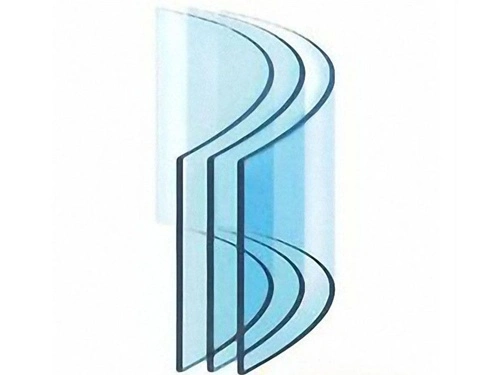
Heat-treated curved glazing for architectural forms, with geometry and glass build-up coordinated for each project.
Share your facade concept, drawings and performance requirements with our team.